

Hi, I’m Sam.
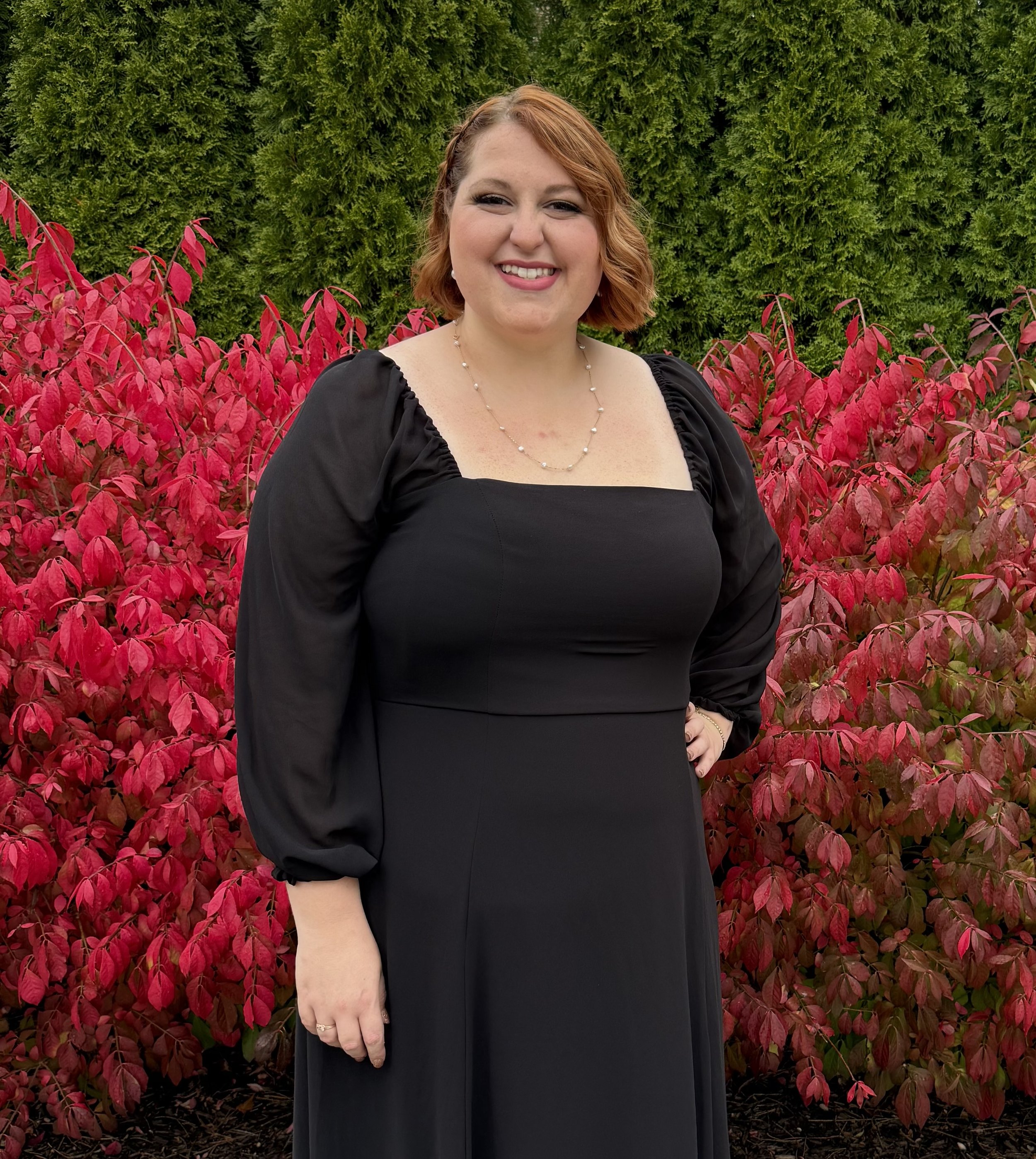
Sam works with kids, teens & young adults!
I’m a Licensed Clinical Social Worker in Illinois, and I’m passionate about helping children, adolescents, and their families feel understood, supported, and empowered. I earned my Master’s degree in Social Work from the University of St. Francis and also have a background in psychology and special education, which has helped shape how I approach working with kids and families.
In addition to my work in private practice, I currently work as an elementary school social worker. This experience has given me the opportunity to work closely with children and adolescents in real-world settings, and I have extensive experience supporting neurodivergent kids. I enjoy partnering with families to help children build confidence, strengthen social-emotional skills, and navigate challenges both at home and at school.
I’ve worked with children who have experienced trauma as well as those who may need extra support with anxiety, depression, executive functioning, social skills, anger management, and emotional regulation.
My approach to therapy is person-centered and strengths-based. I believe every child and family brings their own unique strengths and perspective, and my goal is to create a space where clients feel safe, comfortable, and understood. Growth looks different for everyone, and I strive to meet each child exactly where they are.
When working with kids, I often incorporate play-based strategies because play helps children express themselves in ways that feel natural and engaging. As I like to say, some of the best and most eye-opening conversations happen over a game of UNO.
Outside of work, I enjoy reading mystery novels, watching romantic comedies, going to concerts, listening to music, and cheering on the Chicago Blackhawks. A fun fact about me is that I attended college on a theater scholarship for my behind-the-scenes work as a production manager, stage crew member, props assistant, and set build designer.
I currently accept BCBS, Aetna, and UHC insurance plans, as well as self-pay.
My Approach

Working with neurodivergent humans
You might hear the word neurodivergent used to describe people whose brains simply work a little differently from what is considered “typical.” It’s not something that’s wrong or broken — it’s just a different way of thinking, learning, feeling, and experiencing the world.
People who are neurodivergent may have things like ADHD, autism, learning differences, or sensory sensitivities. These differences can affect how someone focuses, communicates, processes emotions, or interacts with others. For many kids and teens, this can mean school, friendships, or everyday expectations sometimes feel harder to navigate.
At the same time, neurodivergent individuals often bring incredible strengths — creativity, unique perspectives, strong passions, deep empathy, and problem-solving abilities that others might not see.
In therapy, the goal isn’t to change who someone is. Instead, it’s about helping kids and families better understand how their brain works, building skills that support them in daily life, and creating environments where they can feel confident, capable, and successful being exactly who they are.

Sam’s experience as a school social worker
Sam’s experience as an elementary school social worker brings a valuable perspective to her work in private practice. Working within a school setting has given her a deep understanding of the social, emotional, and academic challenges many children face each day. She regularly supports students navigating friendships, classroom expectations, emotional regulation, and the pressures that can come with school and peer dynamics.
Because of this background, Sam understands how school systems work and how to help children build skills that support them both in the classroom and at home. She is also experienced in collaborating with teachers, school staff, and families to help ensure children are supported across all parts of their lives.
This experience allows Sam to approach therapy with a practical understanding of what kids are actually facing day to day, helping families develop strategies that work not just in session, but in real-life school and home environments.